
Tyres rarely fail without warning. In most cases, there are subtle changes in their condition that appear over time; signs that can be easy to overlook if you’re not actively checking for them. Being able to recognise these early indicators can help you address wear and damage before it develops into a more serious issue.
In this article, we’ll guide you through why tyre condition is so important, some of the top signs your tyres need replacing, effective ways to extend their lifespan, and why Miles Better Vehicle Solutions is a trusted repair centre for tyres in Woking.
Key Takeaways
- Top signs your tyres need replacing include low tread depth, visible damage such as cracks or bulges, uneven tyre wear, frequent loss of pressure, vibrations while driving, age-related deterioration, and reduced grip in wet conditions.
- Effective ways to extend the lifespan of your tyres include maintaining correct tyre pressure, monitoring tread depth, driving smoothly where possible, and keeping up with routine vehicle servicing.
- Miles Better Vehicle Solutions provides professional tyre fitting in Woking to help keep your vehicle safe, roadworthy, and performing at its best.
Why Is Tyre Condition So Important?
The condition of your tyres has a direct impact on how safely and efficiently your vehicle performs. As the only point of contact with the road, they play a crucial role in braking, handling, and overall control.
One of the most important factors is braking distance. Worn tyres, particularly those with reduced tread depth, are less effective at gripping the road, especially in wet conditions. This can significantly increase the distance it takes to stop, raising the risk of accidents. Reduced tread also limits the tyre’s ability to disperse water, increasing the likelihood of aquaplaning and loss of control.
Furthermore, tyre condition is a legal requirement. In the UK, tyres must have a minimum tread depth of 1.6mm across the central three-quarters of the tyre. Falling below this limit can result in penalties and will lead to an MOT failure, making it essential to monitor wear regularly.
Beyond safety and compliance, worn or underinflated tyres can affect fuel efficiency and overall vehicle performance. Increased rolling resistance means your engine has to work harder, which can lead to higher fuel consumption over time.
In a nutshell, keeping your tyres in good condition helps ensure your vehicle remains safe, roadworthy, and operating as efficiently as possible.
Top Signs Your Car Tyres Need Replacing
While some tyre issues are immediately visible, others are less noticeable and develop over time. Knowing what to look for can help you identify problems early and take action before they worsen.
| Sign | What to Look For | What It Could Mean |
|---|---|---|
| Low Tread Depth | Tread appears worn or below recommended level; 20p coin test shows outer band | Reduced grip and approaching the legal limit |
| Cracks, Cuts, or Bulges | Visible cracks or cuts on the surface, or bulging | Cracks and cuts may weaken the tyre over time; bulges indicate internal structural damage and require immediate replacement |
| Uneven Tyre Wear | More wear on inner or outer edges, or patchy tread | Possible alignment, pressure, or suspension issues |
| Frequent Loss of Tyre Pressure | Regular need to inflate tyres; warning light appears | Slow puncture, valve fault, or hidden damage |
| Vibrations While Driving | Noticeable vibration, especially at higher speeds | Tyre imbalance, uneven wear, or potential damage |
| Age of the Tyres | Tyres over 5–6 years old, regardless of tread condition | Rubber deterioration affecting performance and reliability |
| Reduced Grip in Wet Conditions | Less traction, longer stopping response, or unstable handling | Tyres no longer providing adequate road contact |
1. Low Tread Depth
Tyre tread depth is one of the clearest indicators of tyre wear and should be checked regularly. As tyres wear down, their overall performance begins to decline, even if there are no obvious signs of damage.
As mentioned earlier, the legal minimum tyre tread depth in the UK is 1.6mm. However, it’s generally recommended to replace tyres before reaching this limit to maintain optimal performance, control, and safety.
You can check tread depth using the built-in Tread Wear Indicators (TWI) within the tyre grooves, or by using a simple 20p coin test. If the outer band of the coin is visible when inserted into the tread, it may be time to consider a replacement.
2. Cracks, Cuts, or Bulges
Visible damage to the tyre’s sidewall or surface is a clear warning sign that should never be ignored. Cracks or cuts can develop over time due to age, exposure to weather conditions, or contact with kerbs and road debris.
More serious is the presence of bulges or raised areas on the tyre. These typically indicate internal structural damage, where the layers inside the tyre have weakened or separated. This is often caused by impacts such as hitting potholes, kerbs, or other road hazards. Once this type of damage occurs, it compromises the tyre’s integrity and increases the risk of sudden failure.
If you notice any cracks, cuts, or bulges on your tyres, they should be inspected and replaced as soon as possible to ensure your vehicle remains safe to drive.
3. Uneven Tyre Wear
Uneven tyre wear is a common sign that something isn’t quite right. Rather than wearing down evenly across the surface, you may notice certain areas of the tyre wearing faster than others.
This can appear in several ways, such as excessive wear on the inner or outer edges, or patchy wear across the tread. These patterns often point to underlying issues such as incorrect tyre pressure, poor wheel alignment, or problems with the suspension system.
Ignoring uneven wear can lead to reduced performance and may shorten the overall lifespan of your tyres. If you notice irregular wear patterns, it’s important to have both the tyres and the vehicle checked, as addressing the root cause will help prevent the issue from recurring.
4. Frequent Loss of Tyre Pressure
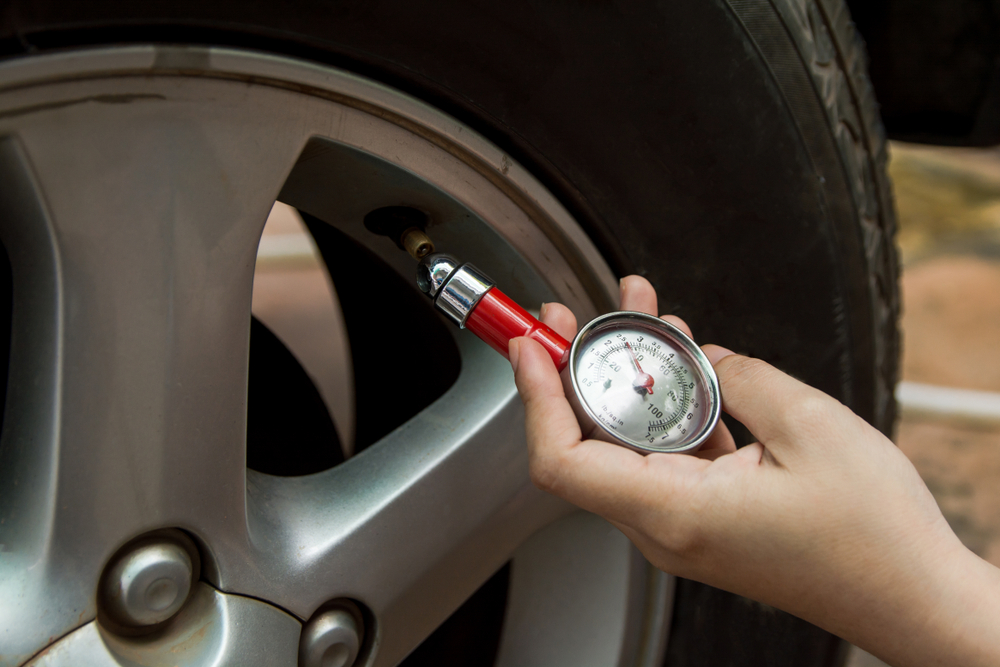
If you find yourself regularly topping up your tyre pressure, it could be a sign of an underlying issue. While small fluctuations can occur with temperature changes, frequent or noticeable pressure loss shouldn’t be ignored.
This may indicate a slow puncture, a faulty valve, or damage to the tyre that isn’t immediately visible. In some cases, debris such as nails or screws can become embedded in the tyre, allowing air to escape gradually over time.
Modern vehicles may also alert you to pressure issues through dashboard warning lights. If this light comes on repeatedly, even after inflating your tyres, it’s a clear sign that further inspection is needed. Addressing the cause early can help prevent more serious problems and reduce the risk of a sudden loss of pressure while driving.
5. Vibrations While Driving
Unusual vibrations while driving, particularly at higher speeds, can often be linked to tyre-related issues. While a smooth, stable ride is expected under normal conditions, persistent vibrations may indicate that something isn’t functioning as it should.
This can be caused by tyre imbalance, uneven wear, or potential damage to the tyre itself. In some cases, it may also point to wheel alignment issues or problems with suspension components.
Although vibrations can sometimes seem minor at first, they shouldn’t be ignored. Having the vehicle checked can help identify the cause early and prevent further wear or damage to your tyres and other components.
6. Age of the Tyres
Tyres don’t just wear out through use; they also degrade over time. Even if the tread appears to be in good condition, the rubber can harden and lose its flexibility as it ages, which can affect overall performance.
As a general guideline, tyres should be checked carefully when they are around five to six years old, with replacement considered based on their condition and usage. Over time, factors such as temperature changes, sunlight exposure, and infrequent use can all contribute to deterioration.
You can check the age of your tyres by looking at the DOT code on the sidewall, which indicates the week and year of manufacture. If you’re unsure, a professional inspection can help determine whether your tyres are still safe to use.
7. Reduced Grip in Wet Conditions
A noticeable reduction in grip, particularly in wet conditions, can often be one of the earliest signs that your tyres are no longer performing as they should. Even if there is no obvious visible damage, changes in how your vehicle handles can indicate underlying wear.
You may find that the car feels less stable on wet roads, takes longer to respond when braking, or struggles to maintain traction when accelerating. These changes can develop gradually, making them easy to overlook at first.
If you begin to notice reduced grip in wet conditions, it’s a good indication that your tyres should be checked, as their ability to perform safely may already be compromised.
Effective Ways to Extend Tyre Lifespan
Taking care of your tyres can help improve safety, performance, and longevity. A few simple habits can make a noticeable difference over time:
- Maintain correct tyre pressure: Check regularly and ensure tyres are inflated to the manufacturer’s recommended levels. Incorrect pressure can lead to uneven wear and reduced efficiency.
- Monitor tread depth: A quick way to get an idea of tyre wear is to use the 20p coin test or check the Tread Wear Indicators (TWI) built into the tyre. This helps you identify when tread is getting low before it starts to affect safety and performance.
- Drive smoothly where possible: Avoiding harsh braking and rapid acceleration reduces unnecessary strain on your tyres and helps promote more even wear.
- Stick to regular servicing schedules: Routine vehicle servicing, like the car service in Woking offered by Miles Better Vehicle Solutions, can help identify issues such as suspension problems or uneven wear early, preventing further tyre damage.
Did You Know? In many cases, it is recommended to replace tyres in pairs (or as a full set where appropriate) to maintain balanced handling, grip, and overall vehicle performance. This helps ensure consistent wear across all tyres and supports safer, more stable driving.
Professional Tyre Fitting with Miles Better Vehicle Solutions
When it comes to tyre condition, having them fitted and checked by experienced technicians ensures any issues are identified early and handled correctly. A professional check can highlight problems that may not always be visible, helping you maintain safety and performance on the road.
At Miles Better Vehicle Solutions, body shop Woking, our tyre fitting service is carried out using modern equipment by trained technicians, ensuring your tyres are fitted correctly and perform as they should once back on the road.
This service includes:
- Supply and fitting of new tyres
- A selection of premium, mid-range, and budget tyres
- Tyre balancing
- Tyre pressure checks
- Valve replacement.
Our recognised industry accreditations, including BSI 10125, alongside our award-winning customer service, provide added confidence in the quality and reliability of our work.
Miles Better Vehicle Solutions provides car servicing and tyre fitting in Woking for complete vehicle care in one place. If you have any concerns about your tyres or would like to book a service, contact us today to arrange an appointment.