
Tyre tread depth is a key part of vehicle safety. The condition of your tyres affects grip, braking performance, handling, and your ability to drive safely in wet conditions. Knowing the legal minimum and understanding when your tyres need attention can help you avoid unnecessary risks and keep your vehicle roadworthy.
Miles Better Vehicle Solutions provides expert body shop repairs and tyre fitting in Woking, Surrey, with experienced technicians who understand the importance of properly maintained tyres and other safety-critical components. This guide explains what tyre tread depth means, the UK legal requirements, how to check your tyres, and when replacement should be considered.
Key Takeaways
- The legal minimum tread depth for cars in the UK is 1.6mm across the central three-quarters of the tyre and around its entire circumference.
- Tyre condition matters alongside tread depth. Cracks, bulges, cuts, uneven wear, or other visible damage can mean a tyre needs replacing even when the tread is above the legal limit.
- Regular checks can identify problems early. Checking tread depth, tyre pressure, and general condition helps maintain grip and braking performance.
- Driving conditions matter. Wet roads can make adequate tyre tread particularly important because tread helps disperse water and reduce the risk of losing contact with the road.
What Is Tyre Tread Depth?
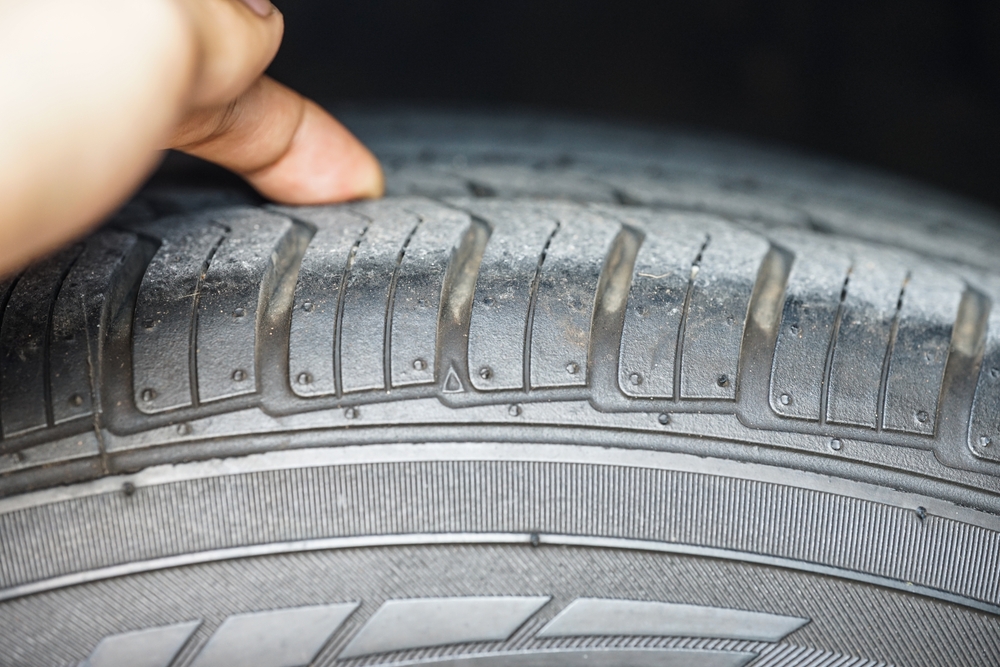
Tyre tread refers to the patterned rubber on the surface of a tyre that contacts the road. The grooves and channels are designed to help provide traction while moving water away from the contact area.
Tread depth is measured from the tread surface down to the bottom of the main grooves. As a tyre is used, the tread gradually wears down. Once it reaches the legal limit, the tyre must be replaced.
Tread depth is only one indicator of tyre condition, however. A tyre can have sufficient tread remaining but still require attention because of age, damage, incorrect inflation, or irregular wear.
What Is the Legal Tyre Tread Depth in the UK?
For cars, light vans, and similar vehicles, the legal minimum tread depth is 1.6mm across the central three-quarters of the tread and around the complete circumference of the tyre.
The limit is a legal requirement, rather than a recommended point at which to start thinking about replacement. Waiting until a tyre reaches 1.6mm can leave little margin for further wear, so regular inspection is important.
Driving with tyres below the legal minimum can result in penalties and penalty points. More importantly, severely worn tyres can compromise vehicle safety, particularly when road conditions are wet.
How Do You Check Tyre Tread Depth?
You do not necessarily need specialist equipment to carry out a basic tyre check. Many tyres have built-in tread wear indicators located within their main grooves. These indicators show when the tread has worn close to the legal limit.
You can also use a 20p coin as a simple initial check. Place the coin into the main grooves of the tyre tread at several points around the tyre. If you can see the outer band of the coin, your tread may be at or below the legal limit, and the tyre should be checked by a professional. If the outer band is hidden, this provides an indication that the tread is above the legal minimum, although it is not a precise measurement.
A tread depth gauge provides a more accurate measurement. If you use one, take measurements at several points around the tyre rather than checking only one area. This can help identify uneven wear.
When checking your tyres, look for:
- Tread that is approaching the wear indicators.
- Uneven wear across the tyre.
- Cuts, cracks, or splits in the rubber.
- Bulges or other changes in the tyre’s shape.
- Objects such as nails or other debris lodged in the tread.
- Damage to the sidewall.
If you are unsure whether a tyre is safe or road legal, have it inspected by a qualified technician.
Why Does Tyre Tread Depth Matter?
Tread plays an important role in maintaining contact between your vehicle and the road. This becomes particularly significant in wet conditions, when water can form a layer between the tyre and the road surface.
The grooves in the tread help channel water away from the contact patch. As the tread wears down, the tyre has less capacity to manage water effectively, which can affect grip and increase the risk of losing traction.
Tyre condition can also influence braking, cornering, steering response, and overall vehicle stability. These factors make regular tyre checks an important part of responsible vehicle maintenance.
When Should You Replace Your Tyres?
A tyre should be replaced when it reaches the legal tread limit, but there are other circumstances where replacement may be necessary sooner.
Visible damage is an important warning sign. A tyre with a significant cut, bulge, crack, or other structural damage should be professionally assessed rather than continuing to use it simply because it has sufficient tread.
You should also pay attention to how your tyres are wearing. Rapid or uneven deterioration may indicate a mechanical or alignment problem that needs addressing.
If you are uncertain about the condition of your tyres, professional advice can help determine whether they remain suitable for use.
How Often Should You Check Your Tyres?
There is no need to wait for an MOT or service to inspect your tyres. A quick visual check should form part of your regular vehicle maintenance routine.
It is particularly sensible to check your tyres before longer journeys, after hitting a pothole or kerb, and when you notice changes in handling or steering.
Tyre pressures should also be checked regularly and adjusted in line with the vehicle manufacturer’s recommendations. Correct pressure helps support safe handling, tyre longevity, and efficient driving.
Professional Tyre Fitting in Woking & Surrey
Tyres are closely connected to other parts of your vehicle, including its steering, suspension, and braking systems. If you have noticed unusual tyre wear, changes in handling, or damage to a tyre, a professional inspection can help establish whether there is an underlying issue.
Miles Better Vehicle Solutions is a family-run body shop repair business serving drivers across Woking and Surrey. The team provides professional body shop repairs and vehicle modifications, with BSI 10125 accreditation supporting its commitment to recognised standards in vehicle repair. Insurance claim support and courtesy cars are also available where applicable.
Whether you need a tyre condition check or have a wider vehicle concern, Miles Better Vehicle Solutions can help identify the issue and recommend the appropriate next step.
If you are concerned about your tyres or need professional tyre services in Woking or across Surrey, get in touch with Miles Better Vehicle Solutions today.