
Hot weather can have a greater impact on your car than many drivers realise.
Prolonged exposure to high temperatures can affect everything from your paintwork and exterior trim to mechanical components and air conditioning, increasing the risk of damage and unexpected repairs.
Understanding how summer conditions affect your vehicle can help you spot problems early and avoid more expensive issues later.
Miles Better Vehicle Solutions has extensive experience carrying out body repairs, mechanical repairs, servicing, and insurance repairs for drivers across Woking and Surrey. This guide explains some of the most common ways hot weather can damage your car, what warning signs to look for, and when it is time to have your vehicle professionally inspected.
Key Takeaways
- Prolonged hot weather can damage your car’s paintwork, trim, mechanical components, and air conditioning system.
- Small issues, such as stone chips or windscreen damage, can become more serious if they are left unrepaired during periods of high temperatures.
- Regular servicing and routine vehicle checks can help identify heat-related problems before they result in costly repairs.
- Prompt professional repairs help maintain your vehicle’s safety, appearance, and performance throughout the summer months.

UV Rays Can Damage Your Car’s Paintwork
Long periods of sunshine can take their toll on your vehicle’s paintwork. Ultraviolet (UV) rays gradually break down the protective clear coat, causing the paint to lose its shine and appear faded or dull. Darker coloured vehicles often show the effects more quickly, although any paint finish can suffer if it is regularly exposed to strong sunlight.
As the protective layer deteriorates, the paint becomes more vulnerable to oxidation and environmental contaminants. Bird droppings, tree sap, and road grime can bond more firmly to the surface during hot weather, increasing the risk of permanent marks if they are not removed promptly.
Keeping your vehicle clean and applying a quality wax or protective coating can help reduce the effects of UV exposure. If the paint has already faded or become damaged, professional body repairs and refinishing can restore your vehicle’s appearance and protect it from further deterioration.
Hot Weather Can Damage Plastic and Rubber Trim
The exterior of your vehicle is made up of more than painted panels. Plastic trims, rubber seals, mirrors, and mouldings are also exposed to constant sunlight, which can cause them to dry out, fade, or crack over time.
Damaged trim does more than affect the appearance of your car. Worn rubber seals around doors and windows can allow water to enter the cabin, while cracked trims may become loose or break away completely.
Regular cleaning and the use of suitable trim protectants can help preserve these components. Where damage has already occurred, replacing worn or damaged trim helps maintain both the appearance and functionality of your vehicle.
Stone Chips and Minor Damage Can Worsen in the Heat
Small stone chips and scratches may seem insignificant, but hot weather can make existing damage more noticeable. As vehicle panels expand and contract with changing temperatures, weakened paint around damaged areas may begin to lift or crack.
Once the protective paint layer has been compromised, moisture and dirt can reach the metal beneath. This increases the risk of corrosion, particularly if the damage is left untreated for an extended period.
Repairing chips and scratches early helps prevent more extensive bodywork repairs later. Professional paint repairs restore the protective finish, helping to keep your vehicle looking its best while reducing the likelihood of rust developing.
Heat Can Affect Your Windscreen and Vehicle Glass
Hot weather can place additional stress on your vehicle’s glass. A small windscreen chip may remain stable for weeks, but sudden temperature changes, such as using cold air conditioning on a hot day, can cause it to develop into a larger crack.
Cracked glass can reduce visibility and weaken the structural integrity of the windscreen. In many cases, a minor repair carried out promptly can prevent the need for a full replacement.
It is worth checking your windscreen regularly during the summer months, especially before long journeys. Addressing small chips early can save both time and money.
High Temperatures Put Extra Strain on Mechanical Components
Warm weather increases the demands placed on your vehicle’s mechanical systems. The cooling system works harder to regulate engine temperature, while rubber hoses and belts are exposed to higher levels of heat that can accelerate wear.
Low coolant levels, worn components, or cooling system faults can all contribute to overheating, particularly during heavy traffic or long motorway journeys. Ignoring warning signs such as rising engine temperatures or dashboard alerts could result in more serious mechanical damage.
Routine servicing and mechanical inspections help identify potential problems before they lead to costly repairs, giving you greater confidence when driving during the summer months.
Your Air Conditioning Needs to Work Efficiently
Your vehicle’s air conditioning does more than keep the cabin comfortable. It also helps reduce humidity, improves visibility by clearing condensation, and makes long journeys far more pleasant in hot weather.
If your air conditioning is taking longer to cool the cabin, producing unusual smells, or making unexpected noises, it could indicate low refrigerant levels or a fault within the system. Having these issues checked early can help prevent further problems and keep the system operating efficiently.
If you are looking for a car air conditioning service in Surrey, regular maintenance helps ensure your air conditioning performs as it should when temperatures rise. Professional servicing can identify worn components, restore cooling performance, and improve comfort throughout the warmer months.
Summer Driving Increases the Risk of Accident Damage
Summer often brings busier roads, holiday traffic, and crowded car parks, all of which increase the likelihood of minor collisions and accidental damage. Even low-speed impacts can result in dents, scratches, cracked bumpers, or damage to vehicle panels.
Following an accident, repairs must be completed using the correct repair methods and, where required, manufacturer-approved processes. This helps restore your vehicle’s appearance, structural integrity, and safety.
Whether your vehicle has suffered cosmetic damage or requires more extensive repairs, choosing an experienced repair centre helps ensure the work is completed to a high standard, allowing you to get back on the road with confidence.
Keep Your Car Protected This Summer with Expert Repairs
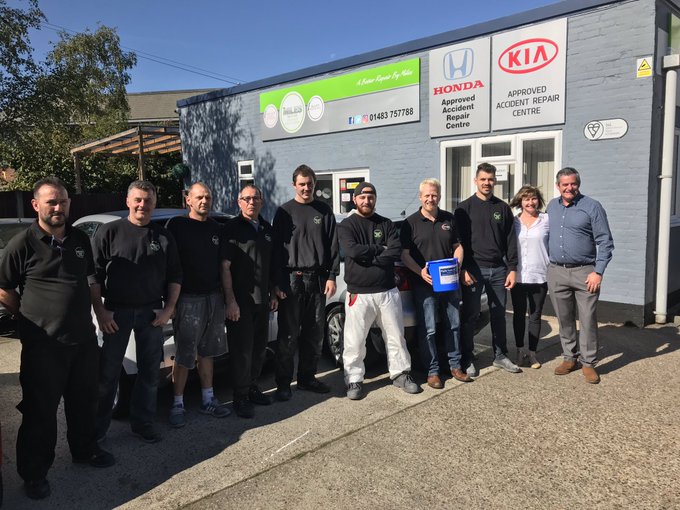
Miles Better Vehicle Solutions is a body shop in Woking that provides vehicle body repairs, mechanical repairs, servicing, and insurance-approved repairs for drivers across Woking and Surrey. With BSI 10125-accredited standards in place, work is completed using approved repair methods and trained technicians, giving confidence that every vehicle is restored correctly and safely.
If your car shows signs of heat-related damage or you want peace of mind before a long journey, arranging a professional inspection can help identify issues early and prevent them from worsening.
Contact our team today to book an assessment or discuss your requirements.